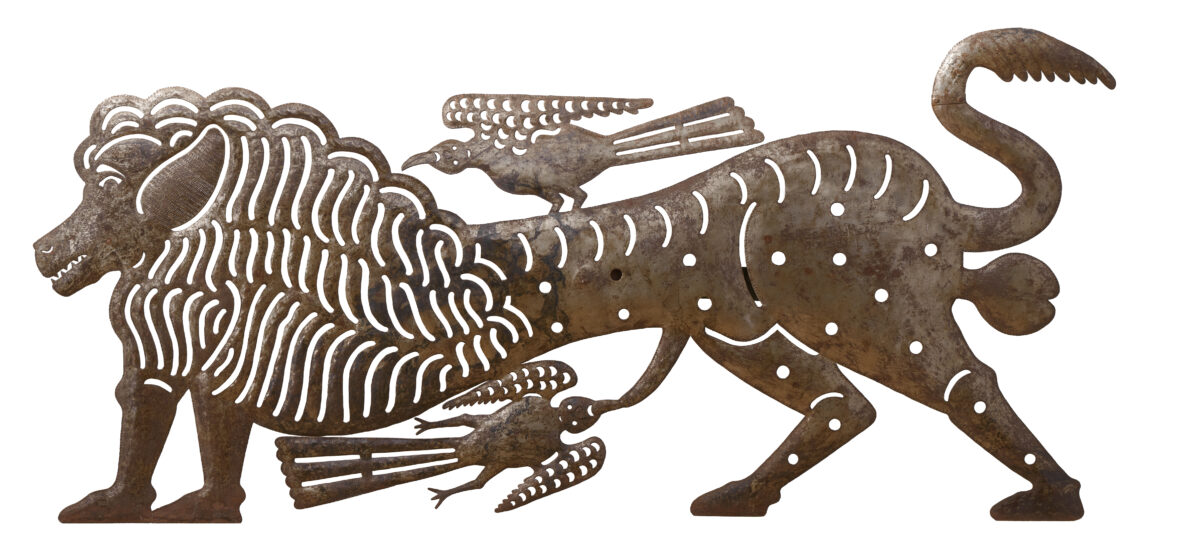
Serge Jolimeau (b.1952 – present) / Untitled, July 18, 1985 / Metalwork / WCA Collection
Metalwork is a cherished and highly skilled tradition in Haitian art. Many pieces are fashioned from recycled oil drums that artists cut, chisel, and hammer entirely by hand. The surface of the metal—often marked by age and wear—adds character and depth to each work. These sculptures vary widely in scale and form: some are designed as wall hangings with a bold, cut-out silhouette, while others are fully three-dimensional pieces. Even for wall-mounted works that present an obvious front, it’s useful to photograph both sides. The reverse often reveals the artist’s techniques, stylistic choices, and clues about the materials, offering a fuller understanding of the object’s construction and history.
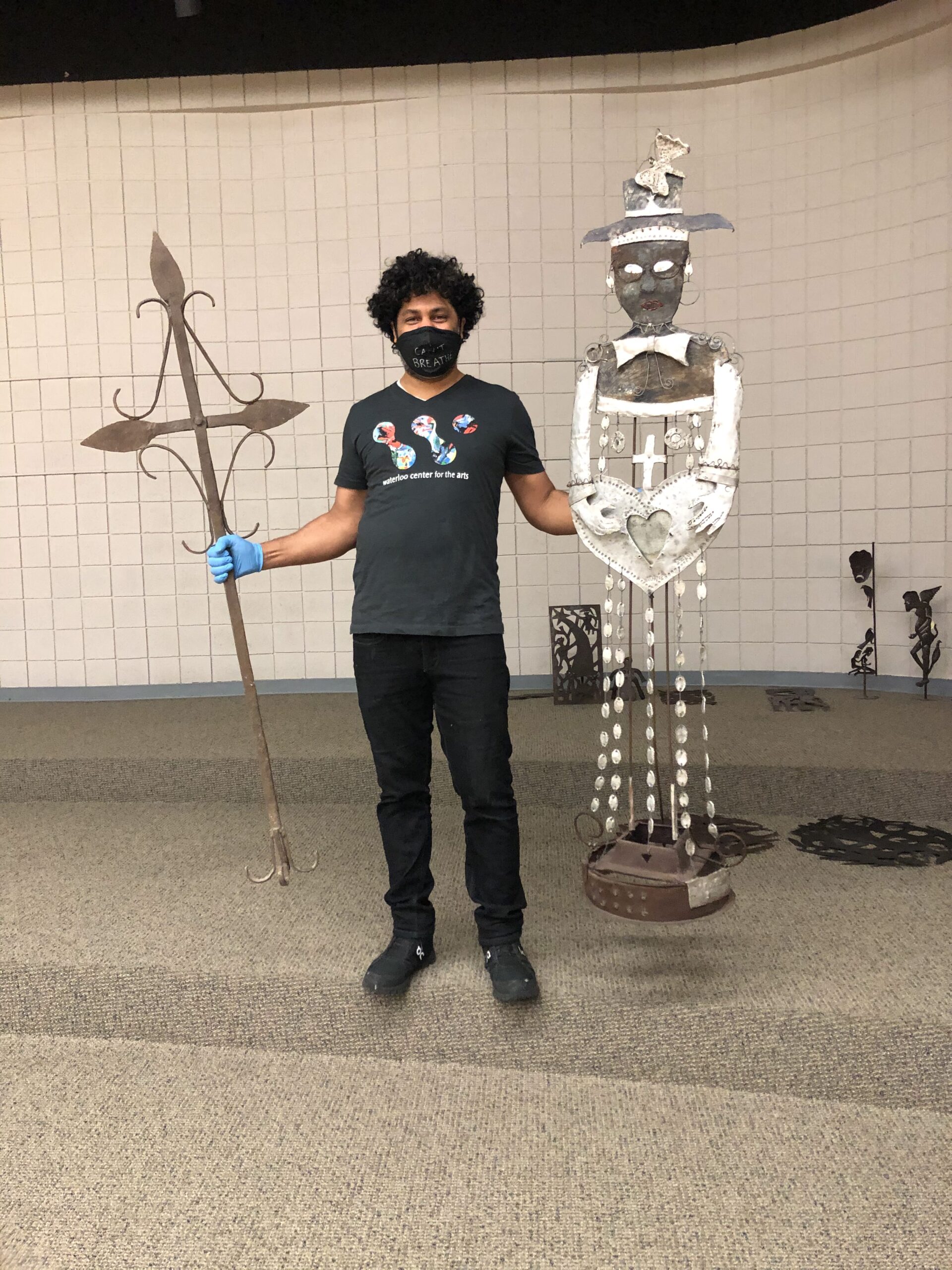
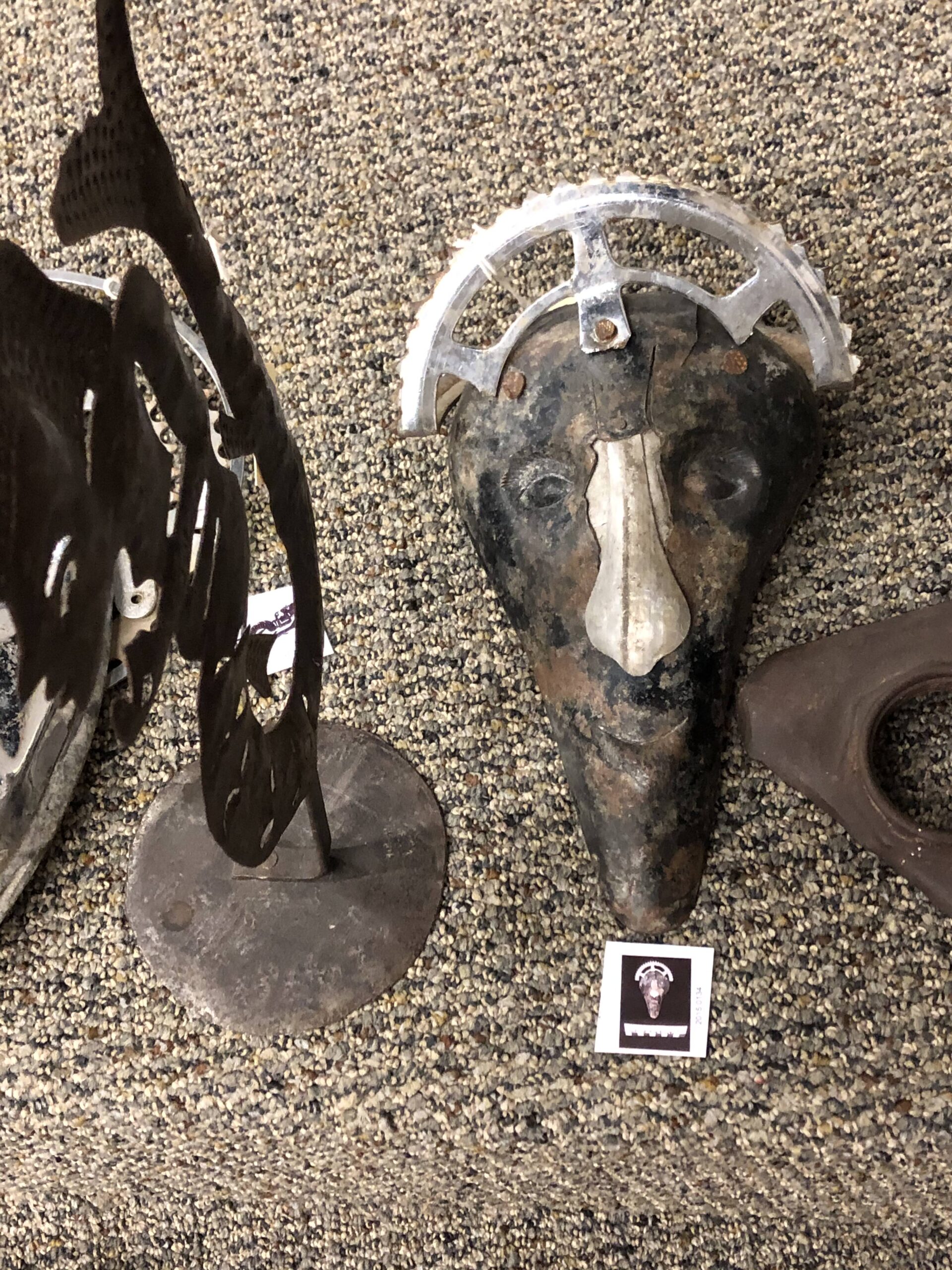
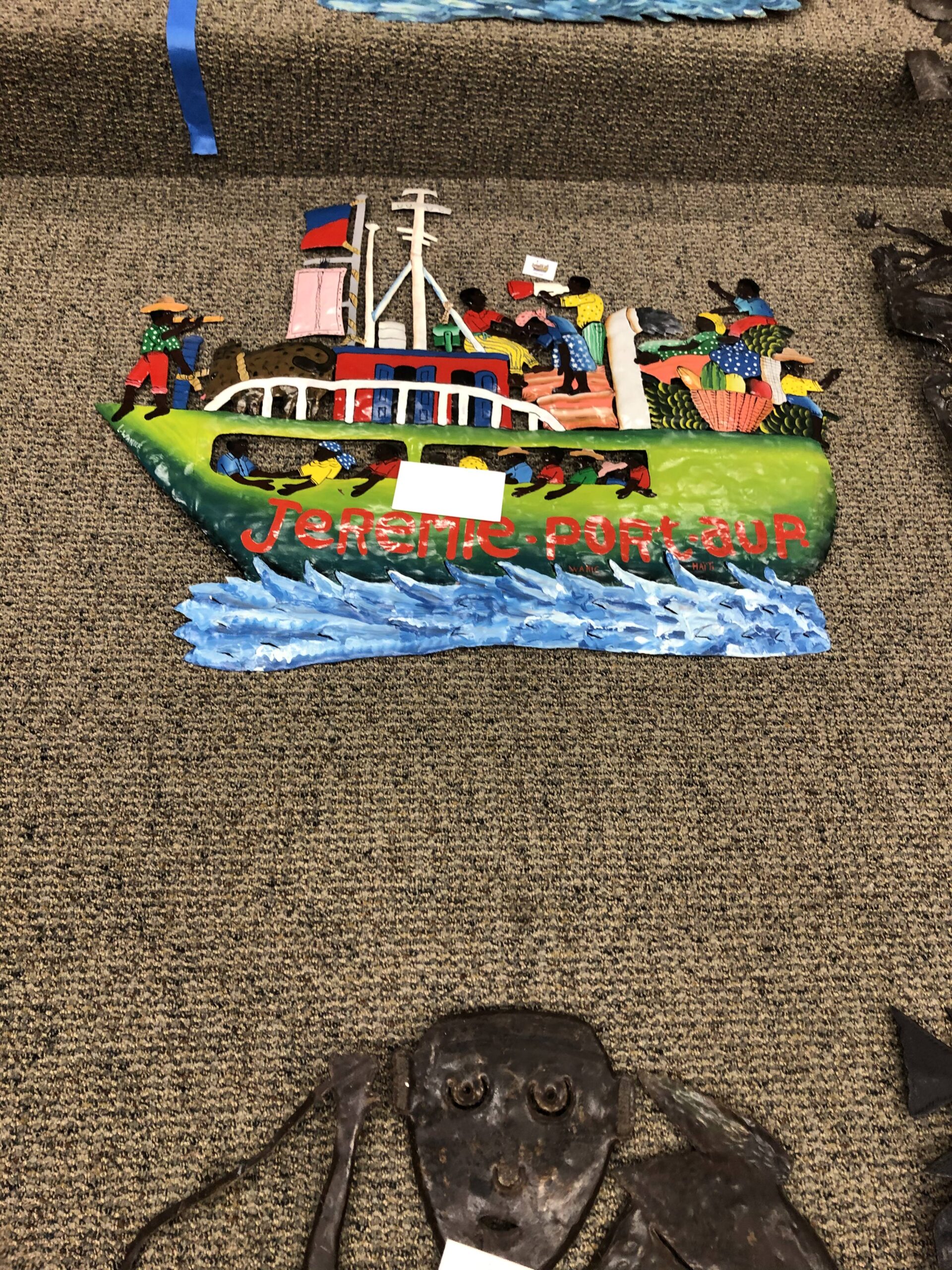
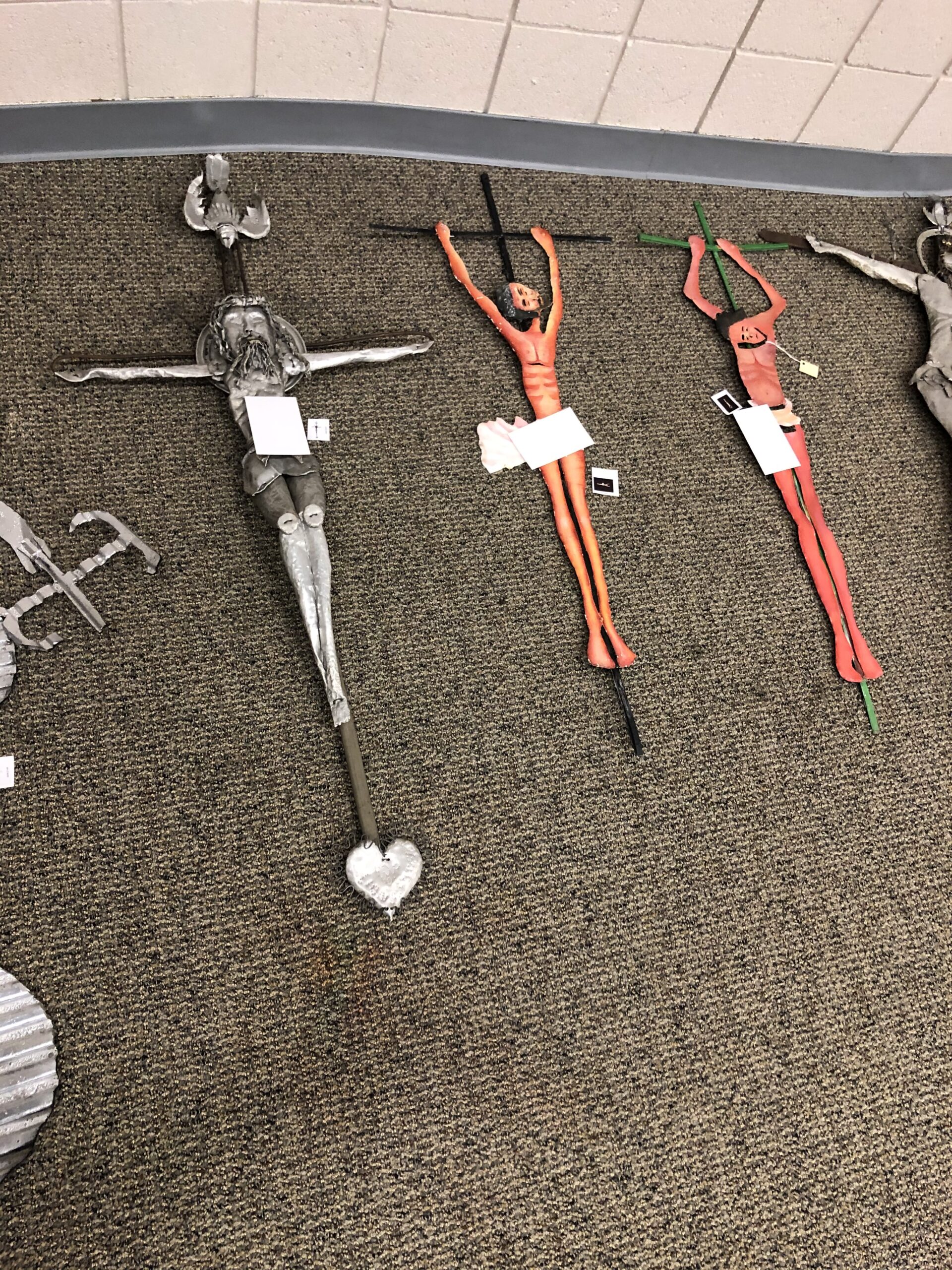
“Metalwork” is a broad term, but in Haiti the practice has evolved in response to shifting supplies and resources. For many years, artists relied on 55-gallon steel oil drums—discarded remnants of the shipping industry—to create their work. As that industry changed, access to those drums diminished. In response, artists adapted, applying the same techniques to whatever materials were available, including tin, aluminum, plastic, and even rubber tires.
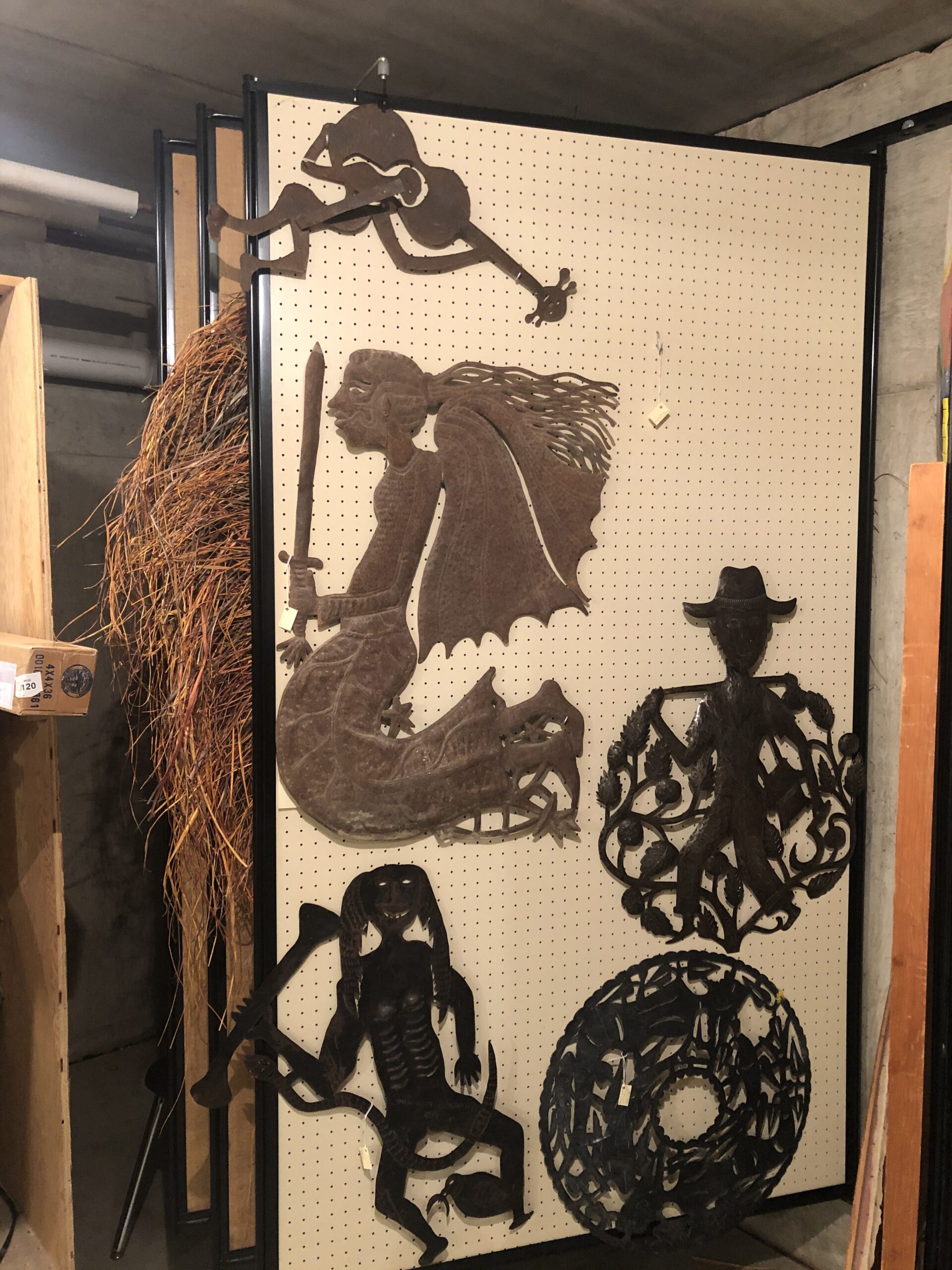
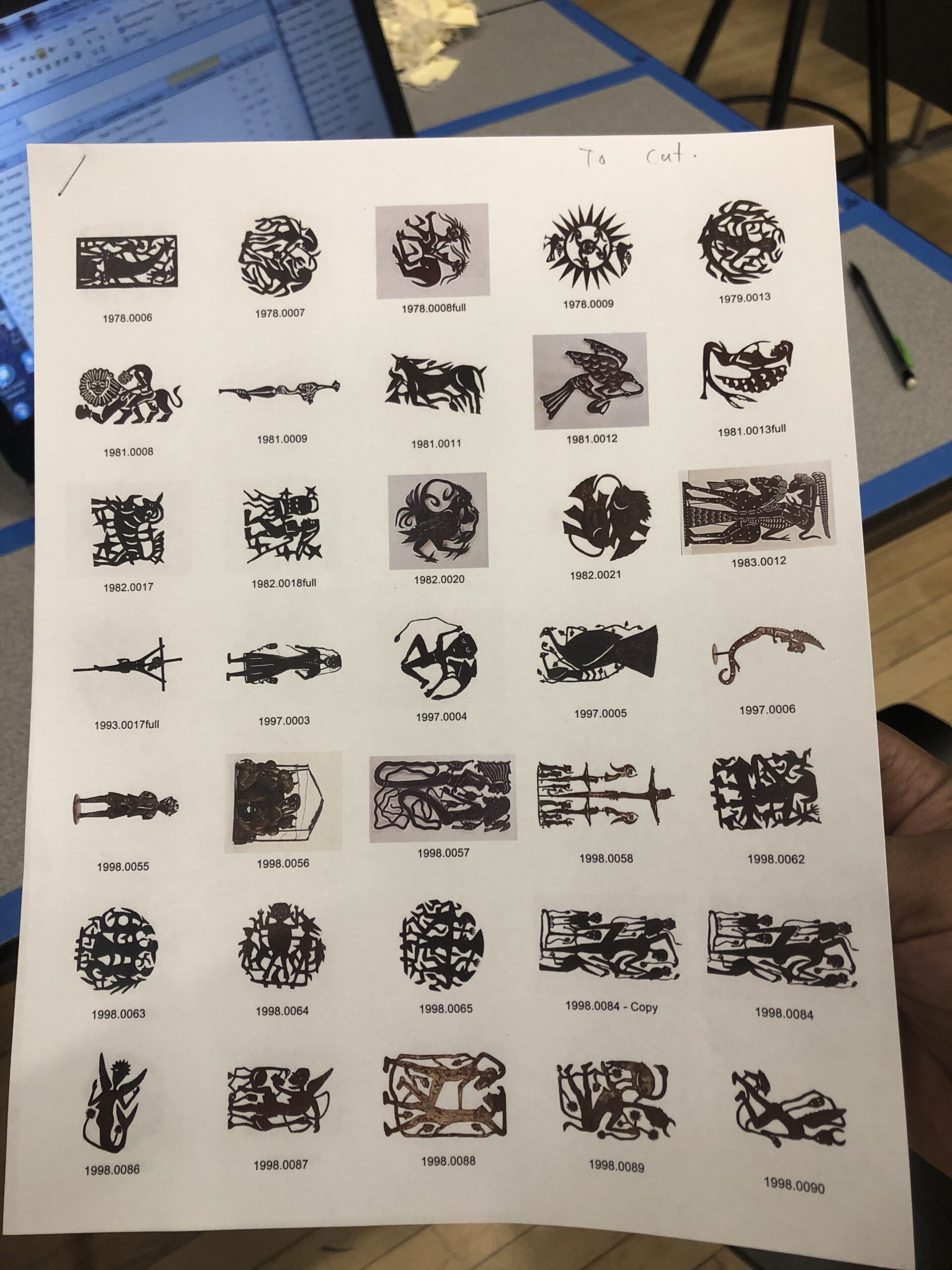
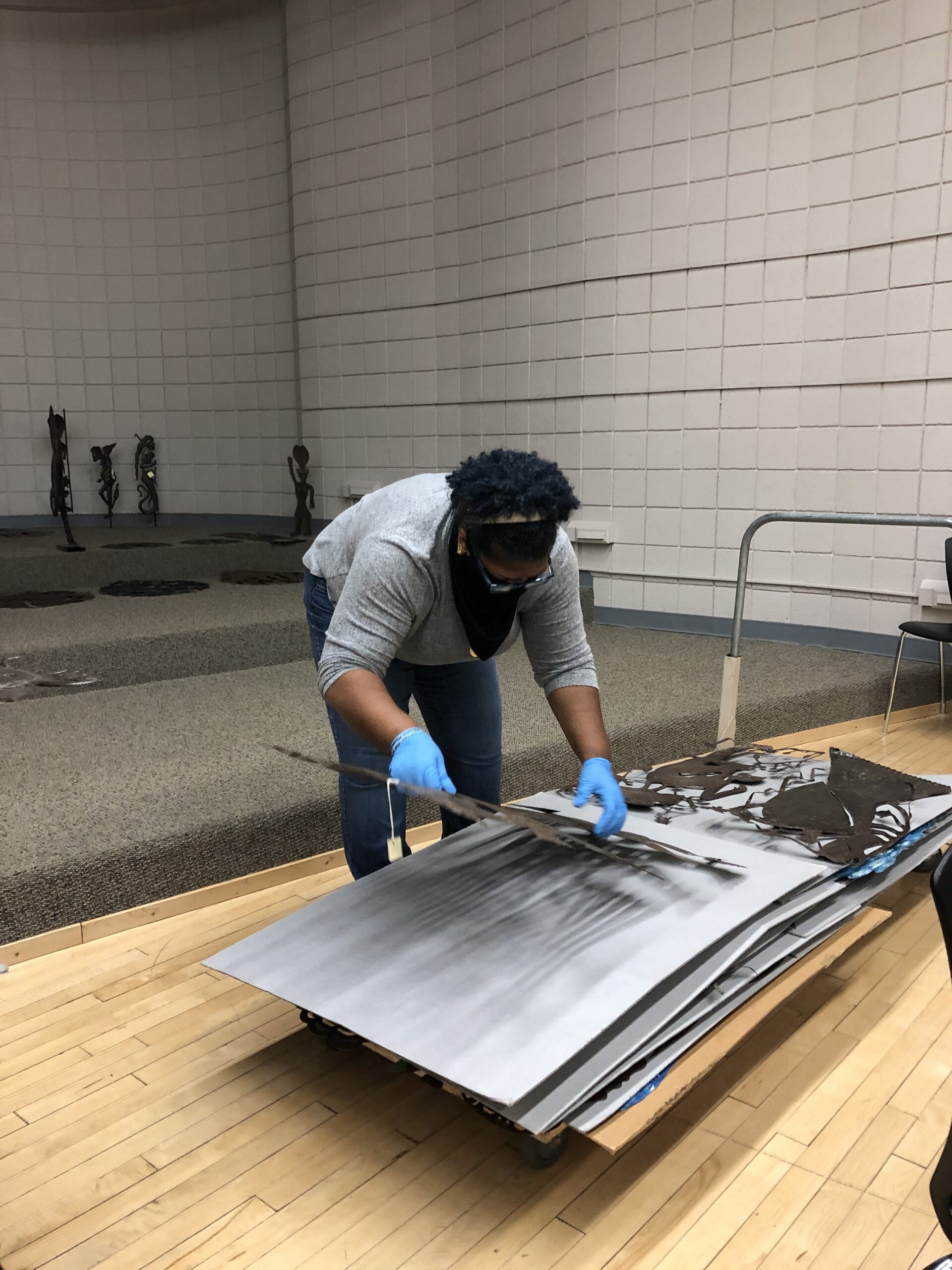
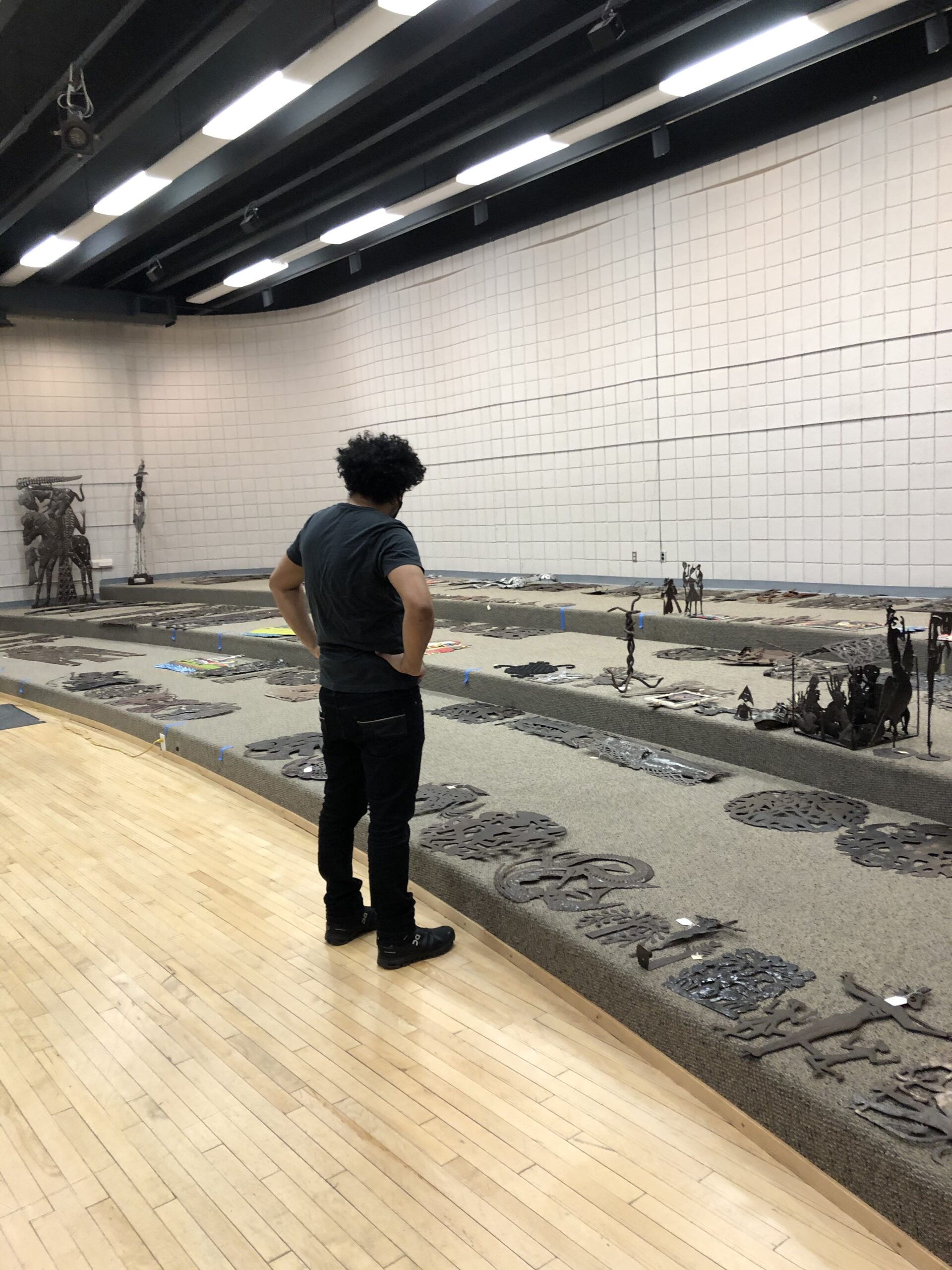
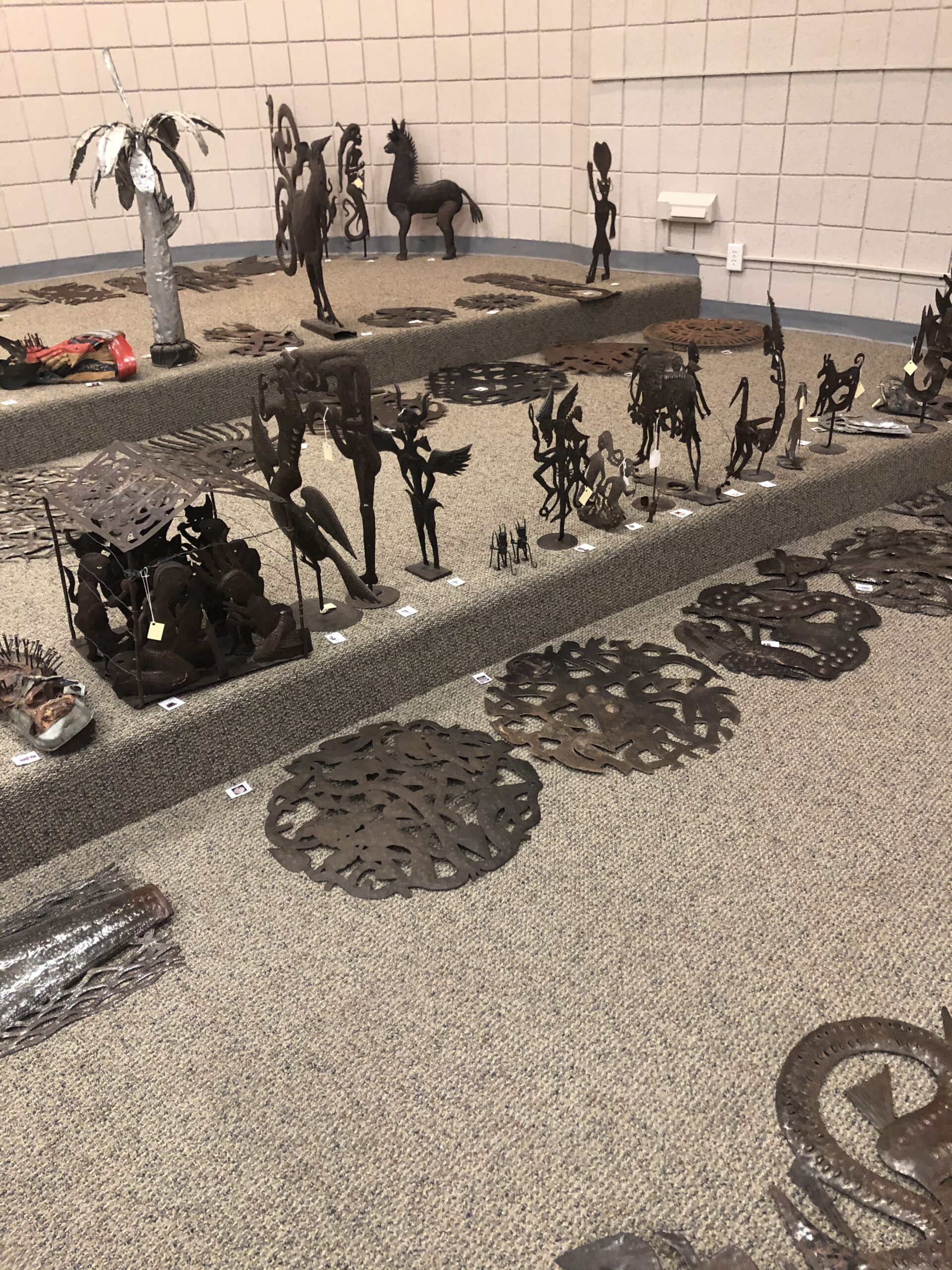
The Waterloo Center for the Arts holds a substantial collection of metalwork. In storage, the pieces hang from pegboard dividers. To digitize such a large number of objects, staff created a visual checklist to ensure each work could be accurately moved from the vault to the work area. That space was split into two zones—one for photography and one for data verification—both operating at the same time. Objects were arranged by size and shape, and each piece was accompanied by a printout showing its image and inventory number. This system helped prevent objects from being misplaced as they moved between stations.
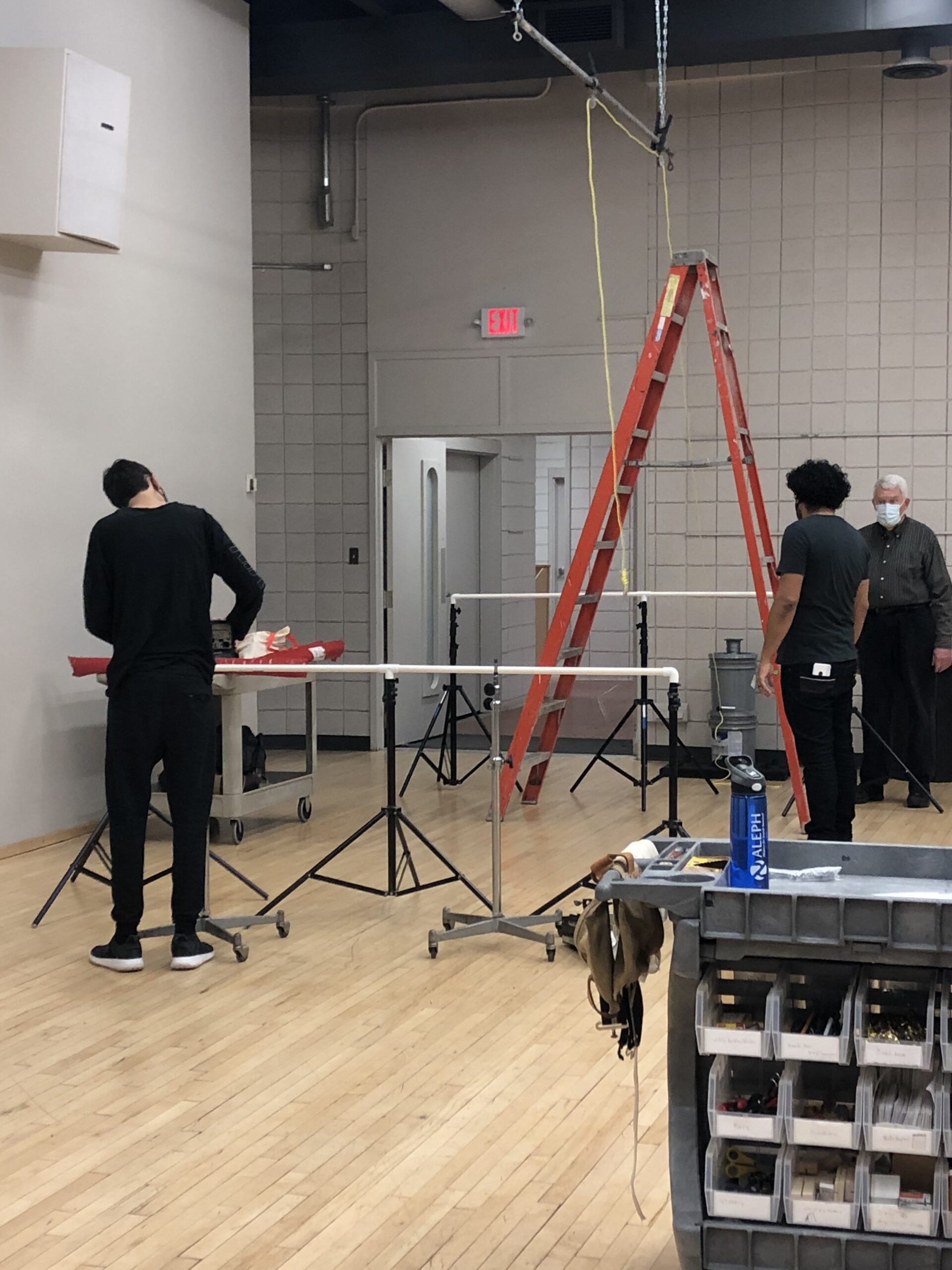
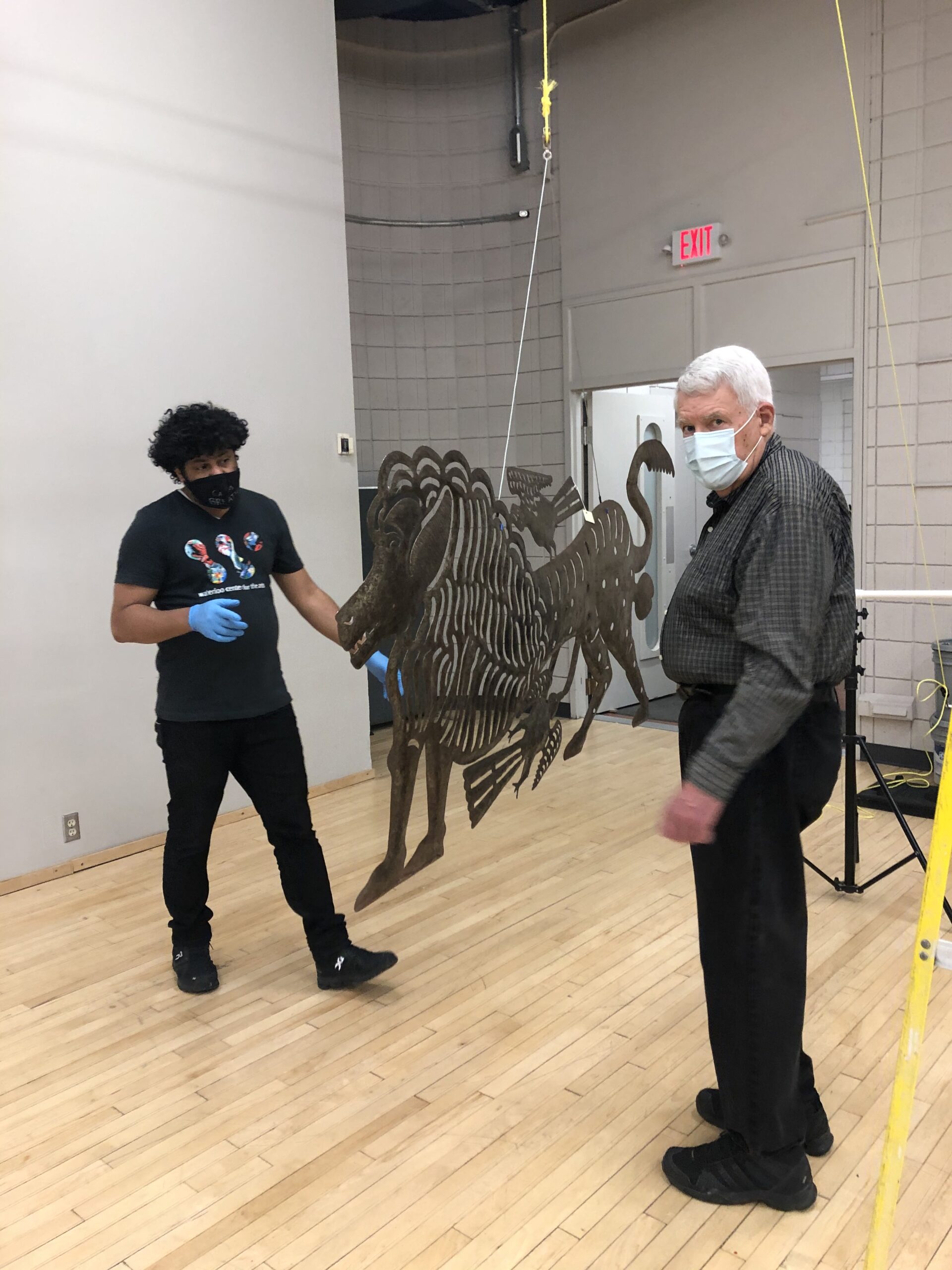
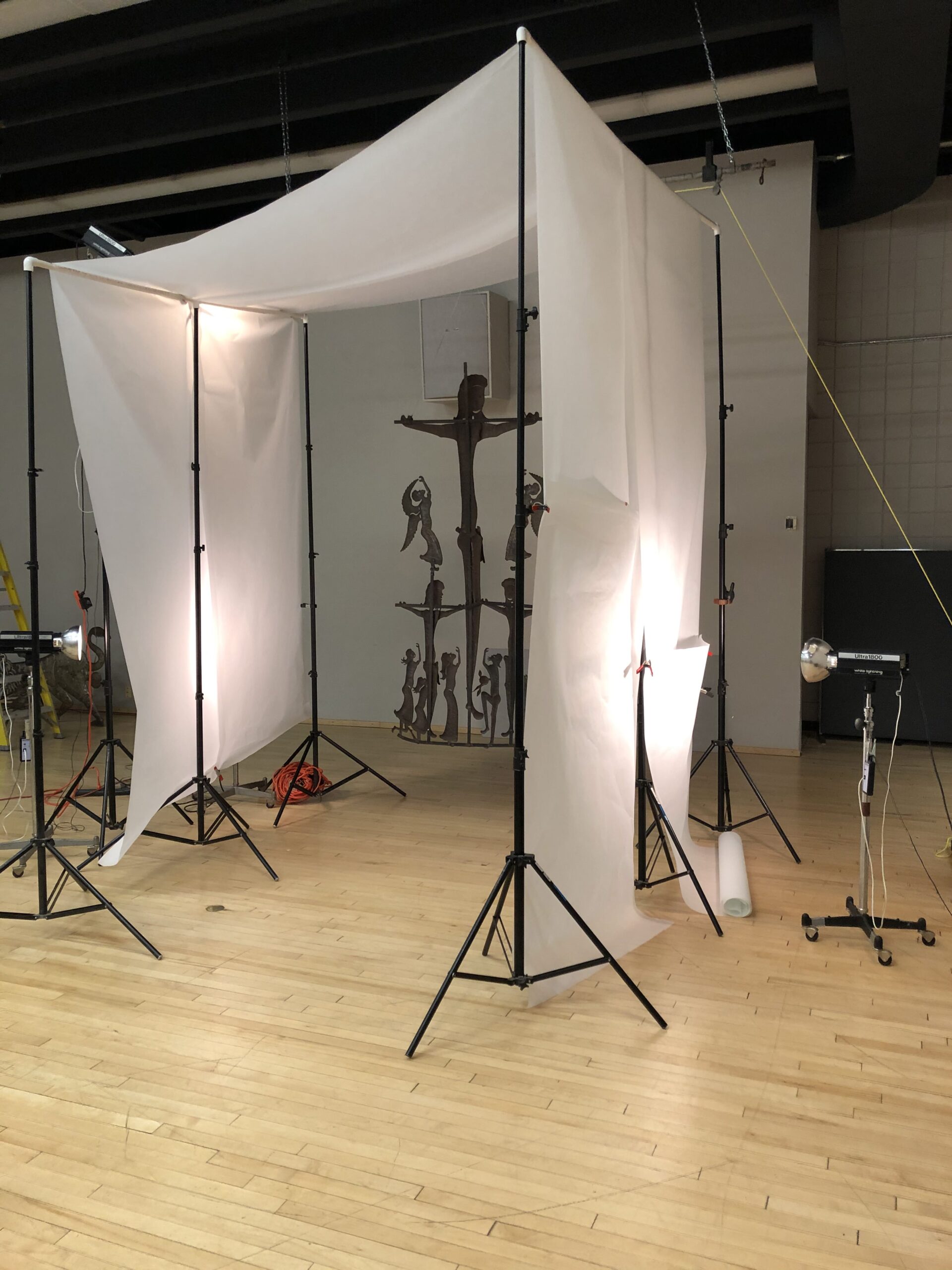
For photographing metalwork, a white box is especially useful because it helps control the reflective glare that often appears on metal surfaces. To suspend the pieces, a harness was built into the box’s design. This setup made it easier to rotate each object so that both its front and back could be photographed clearly.